Japanese Culture: A Living Tapestry of Tradition and Innovation
Introduction
Japan is a country of extraordinary contrasts. Ancient Shinto shrines stand beside glass skyscrapers. Buddhist monks share train carriages with teenagers in futuristic fashion. Furthermore, centuries-old tea ceremonies still take place with the same reverence as in the age of samurai. As a result, Japanese culture feels both timeless and startlingly modern. It is one of the richest and most distinctive cultures in the world. For thousands of years, Japan has pursued beauty in all things — and that pursuit still drives its people today.
The Roots of Japanese Culture
Japanese civilisation stretches back thousands of years. Its island geography kept it apart from the mainland for long stretches of history. However, Japan did absorb major influences from China and Korea over time. Those influences shaped the culture deeply, while Japan always made them its own.
Buddhism arrived from China in the 6th century AD. It transformed Japanese art, architecture, and philosophy almost immediately. Alongside Buddhism, the native Shinto tradition remained strong. Shinto centres on the worship of natural spirits called kami. Together, these two traditions built the spiritual foundation of Japanese culture. Moreover, that foundation still holds firm today.
The Heian period (794–1185) produced some of Japan’s greatest artistic achievements. Noblewoman Murasaki Shikibu wrote The Tale of Genji around the year 1000. Scholars widely consider it the world’s first novel. In addition, court culture of that era placed great value on the concept of mono no aware — the bittersweet feeling of life’s passing. That sensibility still runs through Japanese art and literature today.
The Way of the Warrior: Samurai and Bushido
Few figures capture the world’s imagination like the Japanese samurai. For nearly seven centuries, samurai warriors held power across Japan. They rose with the first shogunate in the 12th century and fell with the Meiji Restoration in the 19th.
Their code of conduct was Bushido — the Way of the Warrior. It stressed honour, loyalty, discipline, and courage in the face of death. Furthermore, these values spread well beyond the battlefield. Even today, they echo in Japanese attitudes toward hard work, duty, and craftsmanship.
The samurai tradition also produced remarkable art. Swordsmiths forged tamahagane steel blades over weeks of careful work. Each sword was a masterpiece. In addition, the theatrical forms of Noh and Kabuki grew from this era. Both told stories of warriors, spirits, and moral struggle. They drew audiences from every level of society.
Art, Aesthetics, and the Pursuit of Beauty
Japanese culture has developed an aesthetic philosophy unlike any other. Wabi-sabi finds beauty in imperfection and impermanence. Ikigai describes the sense of purpose that comes from doing what you love and what the world needs. Both concepts reflect a thoughtful approach to life. Furthermore, both have attracted growing interest around the world.
Traditional Japanese arts show remarkable variety. Ikebana is the art of flower arrangement. It turns a few simple stems into a statement about nature and space. Origami transforms flat paper into sculpture using only folds. Calligraphy raises writing to the level of visual poetry. Moreover, Ukiyo-e woodblock prints by masters like Hokusai and Hiroshige changed art history. They directly inspired the Impressionist movement in 19th-century Europe.
The Japanese garden, however, may be the most complete expression of these values. Designers craft each garden to encourage calm reflection. Every stone, plant, and path serves a purpose.
Food: A Culture on a Plate
Japanese cuisine stands as a cultural institution. In 2013, UNESCO added Washoku — traditional Japanese food culture — to its list of Intangible Cultural Heritage. That recognition confirmed what food lovers already knew. Japanese food ranks among the finest in the world.
At its core, Japanese cooking respects the ingredient above all else. Sushi chefs spend years perfecting rice preparation before they handle fish. A bowl of ramen often reflects decades of careful recipe development. Similarly, Kaiseki — the traditional multi-course meal — treats every dish like a work of art. Balance, seasonality, and visual beauty all matter equally.
Japanese food culture is also democratic, however. Convenience store onigiri, street yakitori stalls, and local ramen shops all share the same commitment to quality. Consequently, great food in Japan is never limited to expensive restaurants. It exists on every corner.
Pop Culture: Japan’s Modern Cultural Export
In the 20th and 21st centuries, Japan became one of the world’s most powerful cultural exports. Anime and manga now attract hundreds of millions of fans globally. Furthermore, video game franchises from Japan — Mario, Pokémon, Final Fantasy, The Legend of Zelda — rank among the most recognised creative works on Earth.
Japanese street fashion, especially from Tokyo’s Harajuku district, has shaped designers and subcultures worldwide. J-pop and J-rock both have devoted international audiences. In addition, the global wellness movement has embraced Japanese ideas such as shinrin-yoku (forest bathing) and the KonMari method of tidying.
Importantly, this modern influence is not a break from tradition. Instead, it is a direct continuation of it. The same careful craftsmanship that once shaped samurai swords now shapes the detailed worlds of video games and anime.
Conclusion
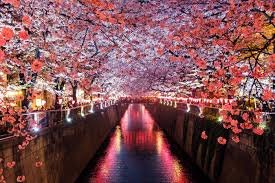
Japanese culture endures because it rests on timeless values. It commits to doing things well. It finds beauty in the everyday. It honours both the past and the future equally. Whether you encounter it through a cup of matcha, a Studio Ghibli film, or cherry blossoms over an ancient temple, the experience is the same. You are meeting a civilisation that has spent thousands of years learning to pay attention — and doing so with extraordinary grace.
In Japan, every detail is a world unto itself. That is the gift of its culture to the rest of us.