Benefits and Risks of Smart Life
Introduction
The rapid advancement of technology has transformed the way people live, work, and communicate. Today, many individuals rely on smart devices such as smartphones, smart watches, voice assistants, and smart home systems to perform everyday tasks. This modern way of living is often referred to as “smart life.” Smart life uses technology and internet-connected devices to make daily activities more efficient, convenient, and comfortable. While these innovations have improved many aspects of life, they have also introduced certain challenges and risks. Understanding both the benefits and risks of smart life is essential for using technology wisely and responsibly.
Benefits of Smart Life
1. Greater Convenience
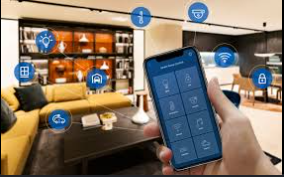
One of the biggest advantages of smart life is convenience. Smart devices allow people to complete tasks quickly and easily. For example, smart home systems can control lighting, temperature, and security with a simple voice command or mobile application. Online shopping, digital banking, and food delivery services have made everyday activities more accessible and time-saving.
2. Improved Communication
Smart technology has greatly enhanced communication. Through smartphones, messaging apps, emails, and video calls, people can stay connected regardless of distance. Families, friends, and coworkers can communicate instantly, making it easier to maintain relationships and collaborate on projects. This has become especially important in an increasingly globalized world.
3. Better Access to Information and Education
The internet provides instant access to a vast amount of information. Students can attend online classes, watch educational videos, and use digital resources to improve their knowledge and skills. Smart technology has made learning more flexible and accessible, allowing people to study from virtually anywhere.
4. Enhanced Health and Safety
Smart devices contribute to better health and safety. Fitness trackers and smart watches monitor physical activity, heart rate, and sleep patterns, encouraging healthier lifestyles. Smart security systems, surveillance cameras, and emergency alert features help protect homes and individuals from potential threats. These technologies provide greater peace of mind and security.
5. Increased Productivity
Technology helps people work more efficiently. Digital calendars, task-management applications, and cloud storage services make it easier to organize schedules and collaborate with others. Businesses can automate routine tasks, reducing errors and saving valuable time. As a result, both individuals and organizations can achieve higher levels of productivity.
Risks of Smart Life
1. Privacy Concerns
Despite its many benefits, smart life raises significant privacy concerns. Smart devices collect large amounts of personal information, including location data, browsing habits, and personal preferences. If this data is not properly protected, it may be accessed by unauthorized individuals or misused by companies and cybercriminals.
2. Cybersecurity Threats
As people become more connected through technology, they also become more vulnerable to cyberattacks. Hackers may attempt to steal personal information, financial details, or sensitive data through phishing scams, malware, and data breaches. These threats can result in financial losses and identity theft.
3. Overdependence on Technology
Many people have become highly dependent on smart devices for daily tasks. Excessive reliance on technology can reduce problem-solving skills and make individuals less capable of functioning without digital assistance. It may also create difficulties when technological systems fail or internet access is unavailable.
4. Health Issues
While technology can support health, excessive use can also cause health problems. Spending long hours on screens may lead to eye strain, poor posture, sleep disturbances, and reduced physical activity. In addition, excessive use of social media can contribute to stress, anxiety, and reduced self-esteem, especially among young people.
5. Social Isolation
Although technology connects people virtually, it can sometimes weaken face-to-face interactions. Many individuals spend more time interacting through screens than engaging in real-life conversations. This may reduce social skills and contribute to feelings of loneliness and isolation.
Conclusion
Smart life has revolutionized modern society by making everyday activities more convenient, efficient, and connected. It offers numerous benefits, including improved communication, better access to education, enhanced health monitoring, and increased productivity. However, it also presents challenges such as privacy concerns, cybersecurity risks, technology dependence, and potential health issues. To fully enjoy the advantages of smart life, individuals must use technology responsibly, protect their personal information, and maintain a healthy balance between digital and real-world experiences. By doing so, society can benefit from technological progress while minimizing its negative effects.