Effects of Stress on Students
Introduction
Stress is a common part of life, and students often experience it due to academic pressures, personal challenges, and social expectations. While a small amount of stress can motivate students to perform better, excessive stress can negatively affect their physical health, mental well-being, and academic performance. In today’s competitive educational environment, understanding the effects of stress on students is essential for promoting a healthy and productive learning experience.
Causes of Stress Among Students
Students face various sources of stress throughout their educational journey. Academic pressure is one of the most common causes. Assignments, examinations, deadlines, and the desire to achieve high grades can create significant stress. Many students also feel pressure from parents, teachers, and society to perform well academically.
In addition, balancing studies with extracurricular activities, family responsibilities, and social relationships can be challenging. Financial concerns, future career uncertainty, and personal issues may further increase stress levels among students.
Impact on Academic Performance
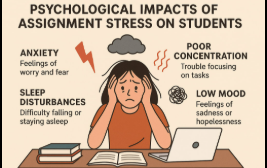
High levels of stress can have a negative impact on academic performance. Students experiencing stress often find it difficult to concentrate, remember information, and complete tasks effectively. Anxiety and worry can reduce their ability to focus during classes and examinations.
As stress increases, students may lose motivation and confidence in their abilities. This can result in lower grades, poor attendance, and reduced participation in classroom activities. In severe cases, students may even consider dropping out of their educational programs.
Effects on Mental Health
Stress significantly affects students’ mental health. Prolonged stress can lead to feelings of anxiety, frustration, and sadness. Students may become emotionally overwhelmed and struggle to manage their daily responsibilities.
Mental exhaustion caused by continuous stress can affect self-esteem and overall well-being. Students who do not receive proper support may find it difficult to maintain a positive outlook on life and education.
Physical Health Consequences
Stress not only affects the mind but also impacts physical health. Students experiencing high levels of stress may suffer from headaches, fatigue, sleep problems, and digestive issues. Lack of proper rest and relaxation can weaken the body’s ability to function effectively.
Many students develop unhealthy habits during stressful periods, such as skipping meals, sleeping less, or spending excessive time on electronic devices. These behaviors can further worsen their physical and mental health.
Social and Personal Effects
Stress can also affect students’ relationships and social lives. Stressed students may become irritable, withdrawn, or less interested in interacting with friends and family. This can lead to feelings of loneliness and isolation.
Furthermore, stress may reduce students’ ability to enjoy hobbies, sports, and other activities that contribute to personal growth and happiness. Maintaining a healthy balance between academics and personal life becomes difficult when stress is not managed properly.
Ways to Manage Stress
There are several effective ways for students to manage stress. Time management is one of the most important strategies. Creating a study schedule and setting realistic goals can help reduce academic pressure.
Regular physical exercise, healthy eating habits, and sufficient sleep contribute to better stress management. Students should also take breaks, participate in recreational activities, and seek support from family, friends, or teachers when needed.
Practicing relaxation techniques such as deep breathing, meditation, and mindfulness can help students remain calm and focused during challenging situations.
Conclusion
In conclusion, stress is a significant issue that affects many students. While a moderate amount of stress can encourage productivity, excessive stress can harm academic performance, mental health, physical well-being, and social relationships. By understanding the causes and effects of stress and adopting healthy coping strategies, students can maintain a balanced lifestyle and achieve success in their educational journey. Managing stress effectively is essential for both personal growth and academic achievement.